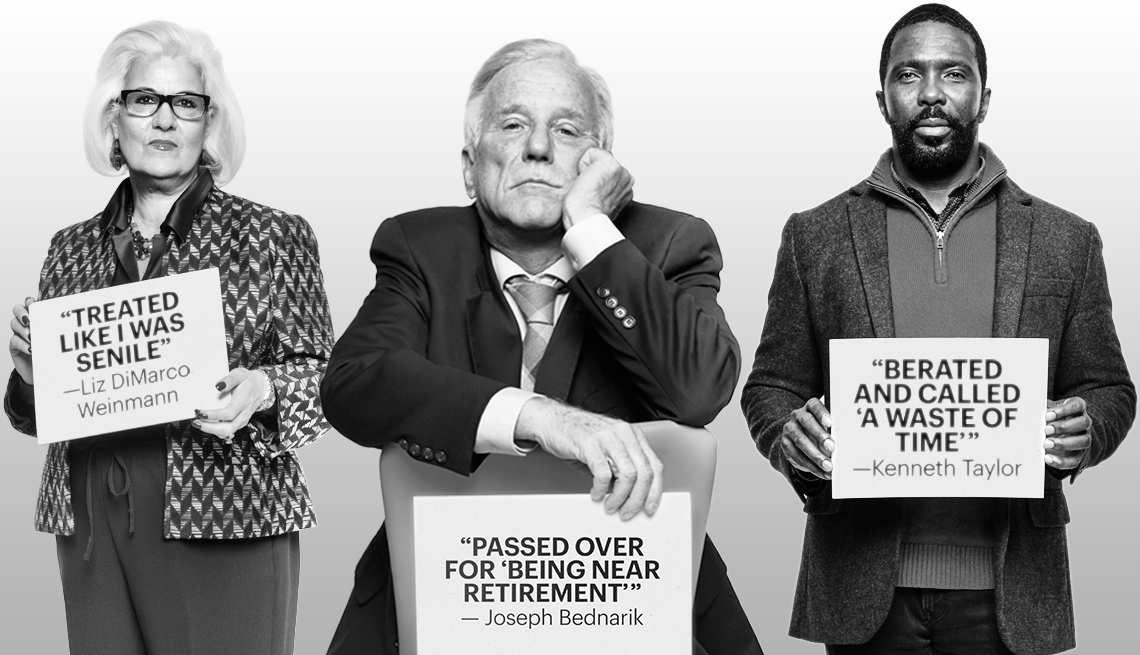
In today’s world, age discrimination in the workplace is a constant issue that often goes unnoticed. Many people with lots of experience are passed over for job opportunities or are treated poorly because they’re considered too old. Ageism in the workplace takes away opportunities for experienced workers and can hold a company back from full potential. Can we really afford to deny people who bring decades of knowledge and dedication jobs because of their age?
Studies show that ageism in the workplace can harm employees and the companies they work for. Researchers Macdonald and Levy found that age discrimination leads to lower job satisfaction, and less commitment by employees. This is due to workers feeling undervalued simply because of their age, making them less motivated to bring their best to the job. This issue with motivation also creates an issue for the company. By continuing with ageist attitudes, businesses miss out on the skills and dedication of professionals who could drive growth and success (Macdonald & Levy, 2016).
Ageism in the workplace doesn’t just affect older workers it also weakens the company. When older employees feel excluded or treated unfairly, it affects morale and makes the workplace less productive. Macdonald and Levy found that workers who feel unappreciated are more likely to leave their jobs. Losing these experienced workers means you also lose mentors who can train and guide younger employees, which creates a gap in skills and knowledge (Macdonald & Levy, 2016). If companies foster a supportive, age-inclusive environment, they will create a stronger, more collaborative team benefiting the company.
In addition to the negative impact ageism has on morale and job satisfaction, it’s important to recognize the steps that can be taken to fix this issue. Reio Jr. and Sanders-Reio suggest having training programs in place to fight ageism. These programs help reduce stereotypes and create a more inclusive workplace where employees of all ages feel valued. In challenging these ageist attitudes, companies can maximize employees’ skills, improving satisfaction and productivity (Reio Jr. & Sanders-Reio, 1999).
One opposing view is that companies may favor younger employees because they adapt quickly to new technology and may need less training. Some people believe that younger workers are a better fit in fast-changing industries, which can help companies stay competitive and flexible.
However, while younger workers may be quick with technology, experienced employees bring valuable knowledge that can only come from years of experience on the job. Studies show that teams made up of different ages are more creative and successful than teams that exclude older workers (Reio Jr. & Sanders-Reio, 1999). Older workers can also be mentors to younger employees, helping them grow and bridge gaps in knowledge. Having age diversity brings both new ideas and experience, making companies stronger overall. With the right training anyone can adapt to new technology no matter their age.
Age discrimination in the workplace is an issue that affects both employees and the organizations they work for. The proof shows that ageism lowers job satisfaction, reduces motivation, and harms organizations. In being ageist companies overlook the skills and knowledge of older workers, causing themselves to miss out on valuable contributions. Additionally, when older workers feel excluded or undervalued, the entire company suffers from low morale. However, if companies use preventative steps such as implementing training programs and creating more inclusive environments, they can fight ageism improving employee satisfaction, and productivity. If we embrace workers of all ages, businesses strengthen their workforce and create long-term success.
Comments
Post a Comment